top of page

Acne Types and Conditions

Understanding How Acne Presents

Acne can present in different ways, from blocked pores and inflamed spots to deeper, more painful lesions. The type, severity and pattern of acne can vary from person to person and may also change over time.

Understanding how acne is presenting is an important part of clinical assessment and helps guide the discussion of appropriate management options.

What is Acne?

Acne is a skin condition involving the hair follicles and oil producing glands. It can develop when pores become blocked with oil and dead skin cells, while inflammation may contribute to red, swollen or deeper acne lesions.

Acne can appear as blackheads, whiteheads, papules, pustules, nodules or deeper lesions. More than one type of acne lesion may be present at the same time.

Why Acne Can Be Different From Person to Person

Acne does not always follow the same pattern. The type of lesions, areas affected, severity, recurrence and individual clinical factors can differ between patients and may influence how acne is assessed and managed.

How Acne Can Present

Illustration of a blocked pore beside a close-up of comedonal acne with blackheads and whiteheads

Comedonal Presentation

Blackheads and whiteheads may develop when pores become blocked, sometimes with little visible inflammation.

Explore Comedonal Acne
Illustration of an inflamed acne lesion beside a close-up of a red pustule

Inflammatory Presentation

Inflamed acne may appear as red, swollen or tender papules and pustules.

​

Explore Inflammatory Acne
Illustration of a deeper cystic acne lesion beside a close-up of an inflamed cystic bump

Cystic Presentation

Deeper acne lesions may be painful and can be associated with a greater risk of persistent marks or scarring.

​

Explore Cystic Acne
Illustration of a blocked inflamed pore beside a close-up of recurring acne breakouts on the skin

Hormonal Patterns

Some people experience recurring acne patterns that may be associated with hormonal changes and other individual factors.

Explore Hormonal Acne

Different presentations can occur together. Clinical assessment can help clarify how the condition is presenting rather than relying on appearance alone.

Explore Acne Conditions

Close-up of comedonal acne with blackheads, whiteheads and blocked pores on the cheek

01

Comedonal Acne

Comedonal acne commonly presents as blackheads and whiteheads caused by blocked pores.

Learn About Comedonal Acne
Close-up of inflammatory acne with red papules and pustules on the cheek

02

Inflammatory Acne

Inflammatory acne may present as red, swollen or tender spots, including papules and pustules.

Learn About Inflammatory Acne
Close-up of cystic acne with deeper inflamed lesions on the cheek

03

Cystic Acne

Cystic acne may involve deeper, painful lumps beneath the skin and can be associated with a higher risk of scarring.

Learn About Cystic Acne
Close-up of hormonal acne with breakouts along the lower cheek and jawline

04

Hormonal Acne

Hormonal acne may present as recurring breakouts that appear in patterns associated with hormonal changes.

Learn About Hormonal Acne
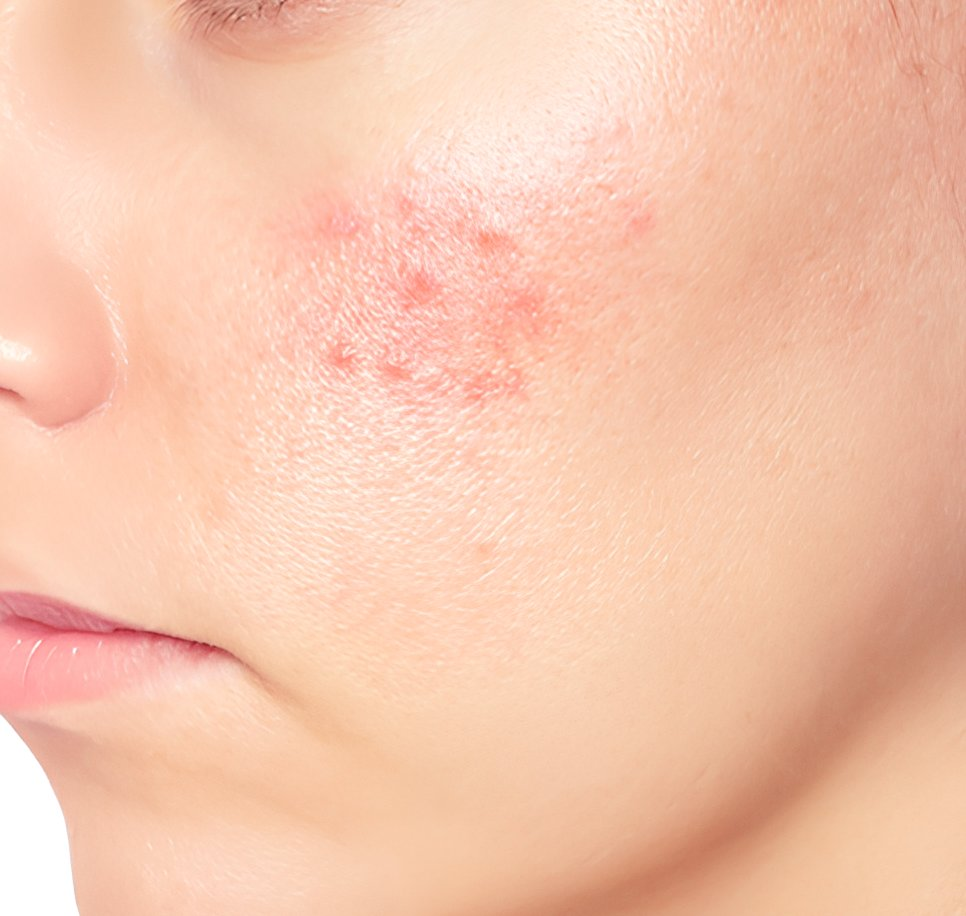
Close-up of facial redness and acne-like bumps associated with rosacea

05

Rosacea

Rosacea may cause persistent facial redness and acne like bumps that can resemble acne. Clinical assessment can help distinguish between the two conditions.

Learn About Rosacea

How Acne Is Assessed?

Dr Ramita examining a patient’s facial acne during a clinical consultation

01

Current Presentation

Assessment considers the types of acne lesions present, the areas affected and the apparent severity of the condition.

Dr Ramita reviewing a patient’s acne history and medical information on a laptop

02

Acne History

The consultation may consider when the acne began, how it has changed, recurring patterns and previous treatments or skin care.

Dr Ramita discussing acne management options with a patient during consultation

03

Management Discussion

Following assessment, appropriate management options can be discussed according to the patient’s clinical needs.

Explore Acne Treatment

Acne Knowledge and Patient Guides

Answers to Common Acne Questions

Explore practical information about acne, treatment and day to day care, with selected clinical content reviewed by Dr Ramita Kaur Shahi where medical review is required.

Close-up of hormonal acne affecting the lower cheek and chin

Hormonal Acne

Support patients researching recurring or hormonally associated acne patterns.

Learn About Hormonal Acne
Side profile showing inflamed cystic acne on the cheek and jawline

Cystic Acne

Learn more about deeper acne lesions, scarring risk and when clinical assessment may be appropriate.

Learn About Cystic Acne
Close-up of comedonal acne with visible clogged pores on the nose and cheek

Comedonal Acne

Learn more about blackheads, whiteheads and blocked pores.

Learn About Comedonal Acne
View All Acne Resources
Dr Ramita discussing acne management options with a patient during consultation

Consult Dr Ramita Kaur Shahi

Dr Ramita Kaur Shahi provides care for patients with acne and acne related concerns at The Acne Clinic in i12 Katong, Singapore.

Not Sure What Type of Acne You Have?

Clinical Assessment Can Help Clarify How Your Acne Is Presenting

Acne can involve different types of lesions and more than one presentation may occur at the same time. Clinical assessment can help clarify the current presentation and support a discussion about appropriate management options.

bottom of page