

Rosacea
Understanding Rosacea
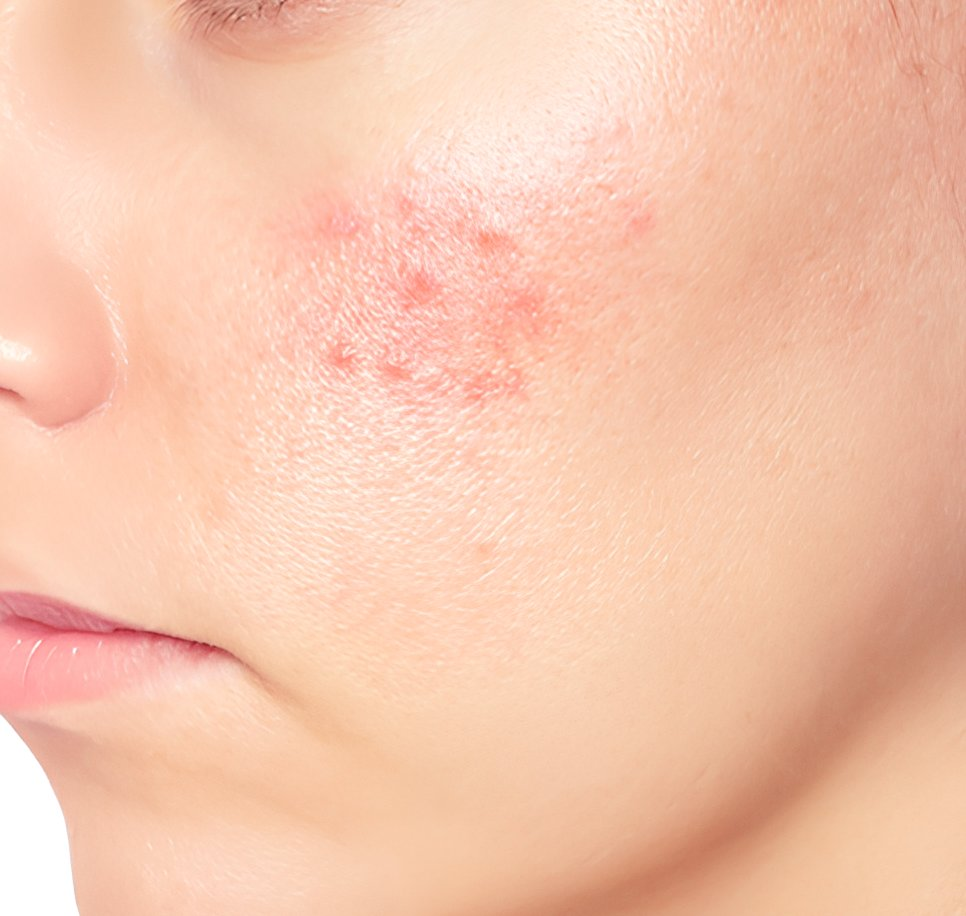
Rosacea is a long term skin condition that commonly affects the central face. It may cause persistent redness, flushing, visible blood vessels and acne like bumps, and symptoms often come and go over time.
Rosacea is not a type of acne, but some of its features can resemble acne and the two conditions can occur together. Clinical assessment can help distinguish between them before management options are discussed.
What is Rosacea?
Rosacea is a chronic inflammatory skin condition that mainly affects the cheeks, nose, forehead and chin. It often develops in adulthood and may follow a pattern of flare ups and calmer periods.
The exact cause of rosacea is not fully understood. It is thought to involve a combination of factors, including how the skin's immune system and blood vessels respond to certain triggers.
Is Rosacea a Type of Acne?
No. Rosacea and acne are separate conditions. Rosacea was once called acne rosacea because some presentations include red bumps and pustules, but it does not involve blackheads or whiteheads and is assessed and managed differently.
How Rosacea can present?

01
Persistent Redness and Flushing
Many people with rosacea notice redness across the cheeks and nose that does not fully settle, along with episodes of flushing that may feel warm.
02
Small Visible Blood Vessels
Fine, visible blood vessels may appear on the cheeks and nose.
03
Acne Like Bumps
Some people develop small red bumps or pustules on areas of redness. This is the presentation most often mistaken for acne.
04
Sensitive or Stinging Skin
The skin may feel sensitive, dry, or prone to burning or stinging, particularly when using certain skin care products.
05
Dry or Irritated Eyes
Rosacea can sometimes affect the eyes, causing dryness, irritation or a gritty sensation. Eye symptoms may require separate evaluation.
Rosacea features can vary between people, and not everyone experiences all of them. Redness may also be less visible on darker skin tones, which can make rosacea harder to recognise.
ROSACEA VS ACNE
How Is Rosacea Different From Acne?
Rosacea and acne can both cause red bumps and pustules, which is why they are often confused. Several features can help tell them apart, although clinical assessment is the most reliable way to distinguish them.

Blocked Pores
Acne usually involves blackheads and whiteheads. Rosacea does not.
Redness
Rosacea often involves persistent redness and flushing across the central face. Acne redness is usually limited to individual spots.

Triggers
Rosacea symptoms may flare with triggers such as heat, sun or hot drinks. Acne does not usually follow this pattern.

Age
Rosacea commonly begins in adulthood. Acne often begins in adolescence, although it can also start later.

Perioral Dermatitis
Perioral dermatitis may cause small red bumps around the mouth, nose or eyes.

Seborrhoeic Dermatitis
Seborrhoeic dermatitis may cause redness with flaking, often around the nose, eyebrows and hairline.

Irritated or Sensitised Skin
Reactions to skin care products may cause redness and sensitivity that can resemble rosacea.
WHAT IT CONTRIBUTES
What can contribute to Rosacea?
It is helpful to separate the factors that may underlie rosacea from the triggers that can make symptoms flare. Triggers do not cause rosacea, but they may worsen symptoms in people who have it.
Underlying Factors
Rosacea is thought to involve how the skin's immune system, blood vessels and skin barrier respond. Family history and microscopic mites that normally live on the skin may also play a role in some people.
Heat and Sun
Hot weather, humidity and sun exposure are commonly reported triggers, which may be particularly relevant in Singapore's climate.
Food and Drink
Some people notice flare ups after hot drinks, spicy food or alcohol.
Skin Care and Other Triggers
Certain skin care products, stress and strenuous exercise may also be associated with flare ups. Triggers differ from person to person.

Clinical Insight from Dr Ramita
What do patients with rosacea often try that makes their skin more irritated?
Rosacea can sometimes be mistaken for ordinary acne, particularly when small red bumps appear alongside facial redness. This may lead patients to try stronger acne products, exfoliating acids, scrubs or astringent toners in an attempt to clear the skin. However, rosacea-prone skin is often more sensitive, and these products can aggravate burning, stinging, dryness and redness.
Another issue is frequently changing skincare products without allowing time to identify which ingredients may be causing irritation. A simpler routine involving gentle cleansing, an appropriate moisturiser and sun protection may be better tolerated, although individual triggers and skin responses vary. Recognising the difference between rosacea and acne is important because approaches suitable for one condition may not be appropriate for the other.
HOW IT IS ASSESSSED
How Rosacea is Assessed?

01
Current Presentation
Assessment considers the pattern of redness, whether bumps or pustules are present, visible blood vessels, skin sensitivity and whether features of acne are also present.

02
History and Triggers
The consultation may consider when symptoms began, how they change over time, possible triggers, eye symptoms, current skin care and previous treatments, including any creams applied to the face.

03
Management Discussion
Following assessment, appropriate management options can be discussed according to the patient's clinical needs.
Common Questions about Rosacea
Is rosacea the same as acne?
No. Rosacea and acne are separate conditions, although both can cause red bumps and pustules. Rosacea typically involves persistent facial redness and flushing without blackheads or whiteheads, while acne usually involves blocked pores. Because they can look similar and occur together, clinical assessment helps distinguish between them.
Can I have rosacea and acne at the same time?
Yes. Some people have both conditions, which can make it harder to tell which features belong to which. Assessment considers the full presentation so that each condition can be recognised and management options discussed appropriately.
Does rosacea go away?
Rosacea is usually a long term condition that may come and go, with periods of flare ups and calmer skin. Understanding personal triggers and following appropriate management may help, and progress is reviewed over time.
Can rosacea affect darker skin tones?
Yes. Rosacea can affect people of all skin tones, but redness may be less visible on darker skin, which can make it harder to recognise. Other features, such as sensitivity, bumps or a warm feeling, may be more noticeable.
When should rosacea be assessed?
Assessment may be helpful if you have persistent facial redness, frequent flushing, acne like bumps that have not responded to acne products, or skin that feels increasingly sensitive. Eye symptoms such as dryness or irritation should also be discussed.


Consult
Dr. Ramita Kaur Shahi
Dr Ramita Kaur Shahi leads acne consultations at The Acne Clinic. She assesses the skin and relevant history before discussing management options and follow up.